Air-Dry vs Blow-Dry: The Myth That Won't Die
Updated 14 November 20264 min read
Somewhere along the way, "natural" became a synonym for "harmless", and air-drying became something virtuous people do with their hair. Skip the heat, let nature do its work, wake up healthier. It is a lovely story. The research tells a messier one.
The study that ruined a beauty rule
In 2011, researchers in Seoul did something simple and slightly cheeky. They took hair samples and dried them in five different ways, over and over, for thirty cycles, then put the results under an electron microscope: air-dried hair against hair dried at different distances and temperatures.
The dryer held close and hot caused the most damage, which surprised nobody. But the finding that made the headlines was this: hair dried with a dryer about 15 cm away, kept constantly moving, showed less damage to the cell membrane complex than hair left to dry in the air. The naturally dried hair was not fine. The inside of the strand had suffered while the outside looked perfectly well.
Why slow drying hurts
The mechanism makes intuitive sense once you hear it. Wet hair swells: the strand absorbs water and expands by up to a third of its diameter. The longer hair stays wet, the longer it stays swollen, and that swelling puts constant pressure on the delicate, glue-like layer that holds the hair's internal structure together.
Thick or long hair can take three, four, even six hours to air-dry completely. Those are hours in the swollen, vulnerable state, repeated daily. The damage is called hygral fatigue, and it builds up exactly the way metal fatigue does: invisibly, then suddenly.
There is more. Wet hair can stretch by up to half its length and does not fully spring back, so every touch, every pillow and every hair tie during those hours works on hair at its weakest. And a scalp that stays damp for hours is a warm, damp environment: if you routinely sleep on wet hair, that is a comfort problem at the mild end and an itchy, irritated scalp at the other.
So blow-drying wins? Not so fast
Before the hair dryer takes a victory lap: the same study confirmed that a dryer used badly (close, hot, parked in one spot) is still the quickest way to ruin a cuticle. High heat at short range can push the hair's surface past the point where internal moisture turns to steam. Air-drying never does that.
So the honest ranking looks like this:
- 01Bad blow-drying (close, hot, parked): the worst of the three.
- 02Air-drying: in the middle. Kinder than abuse, harsher than technique.
- 03Good blow-drying (moderate heat, 15 cm, always moving): the kindest of all.
Drying well is not about avoiding the dryer. It is about using it properly.
The hybrid method (what stylists actually do)
Nobody has to pick a side, and the smartest routine borrows from both:
- 01Blot first. A microfibre towel or a cotton T-shirt takes up the excess water without roughening the cuticle.
- 02Let time do the safe part. Air-dry to about 60 to 70% while you have breakfast or do your skincare. The early phase of air-drying is the least risky part.
- 03Finish with the dryer. Medium heat, 15 cm away, always moving, the airflow pointing down, and a cool setting to finish.
You have cut the wet, swollen window from hours to minutes, and the heat exposure to a fraction of a full blow-dry. The numbers behind "medium heat" are in the temperature guide, and the habits that undo all of this are in seven hair-drying mistakes almost everyone makes.
The part nobody says out loud
Here is a suspicion worth saying out loud: many people who "prefer" to air-dry do not actually prefer it. They are tired. Holding a dryer above your head for ten minutes while brushing with the other hand is genuinely hard work, and skipping it every morning is a very understandable choice.
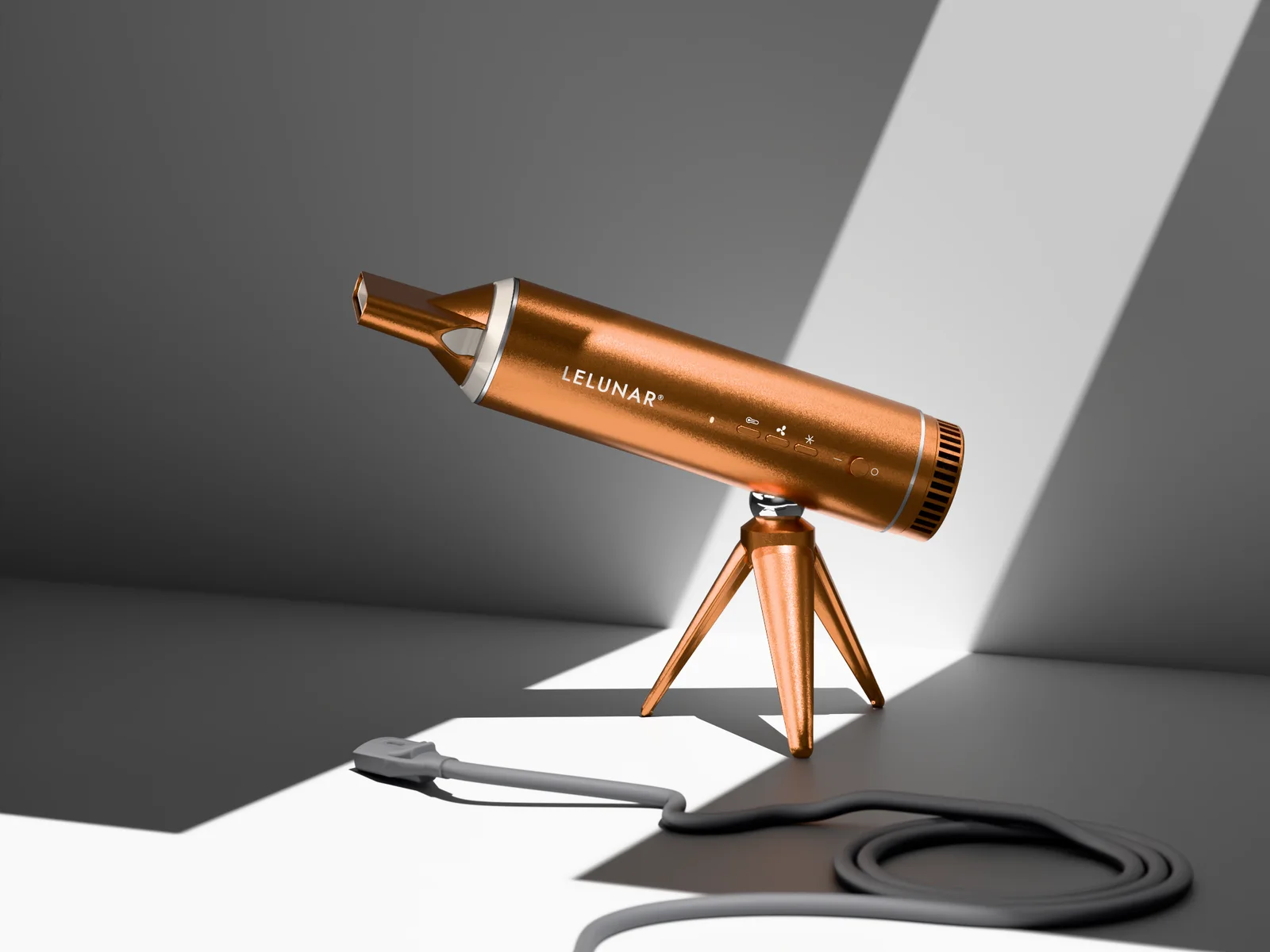
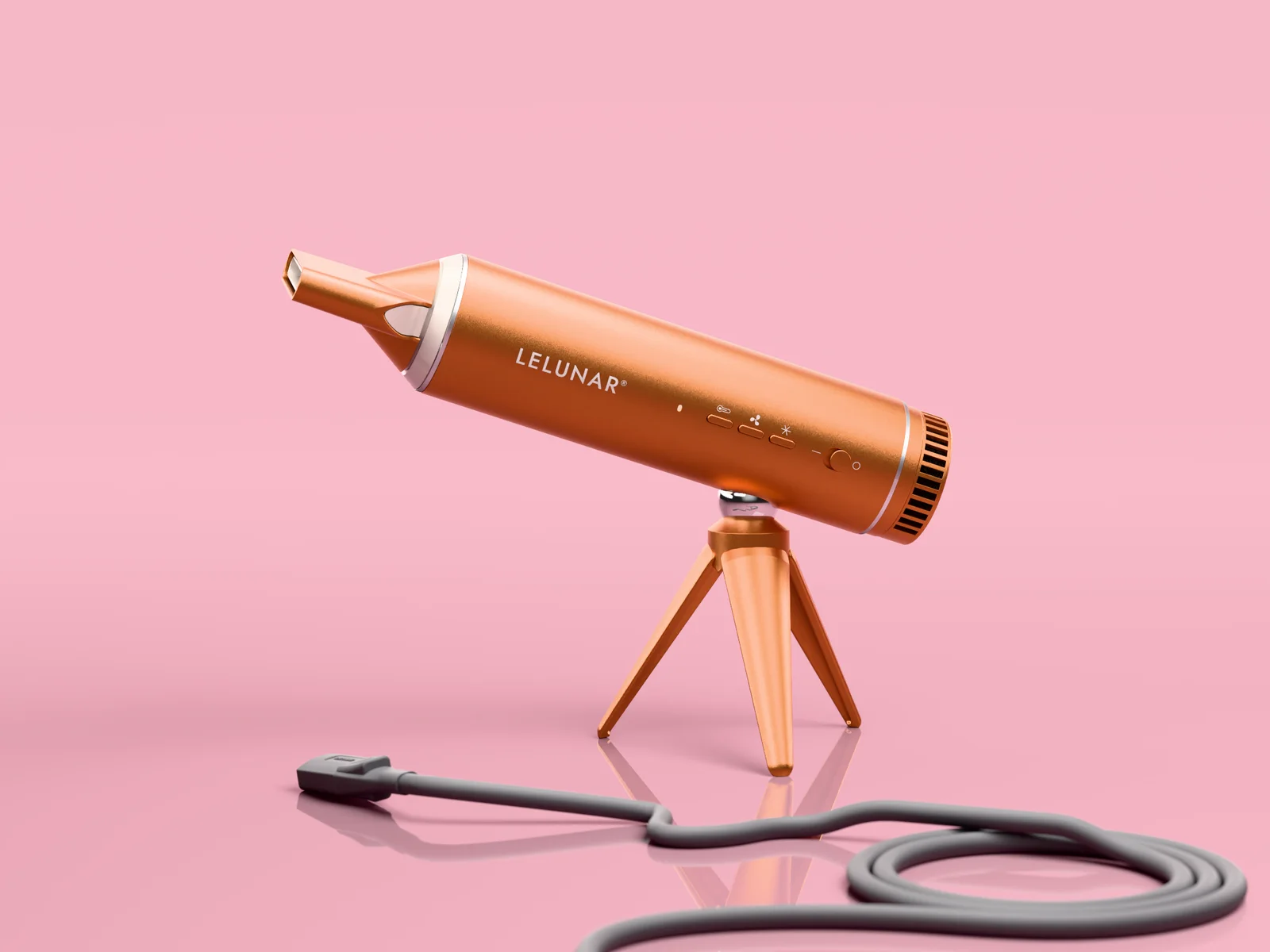
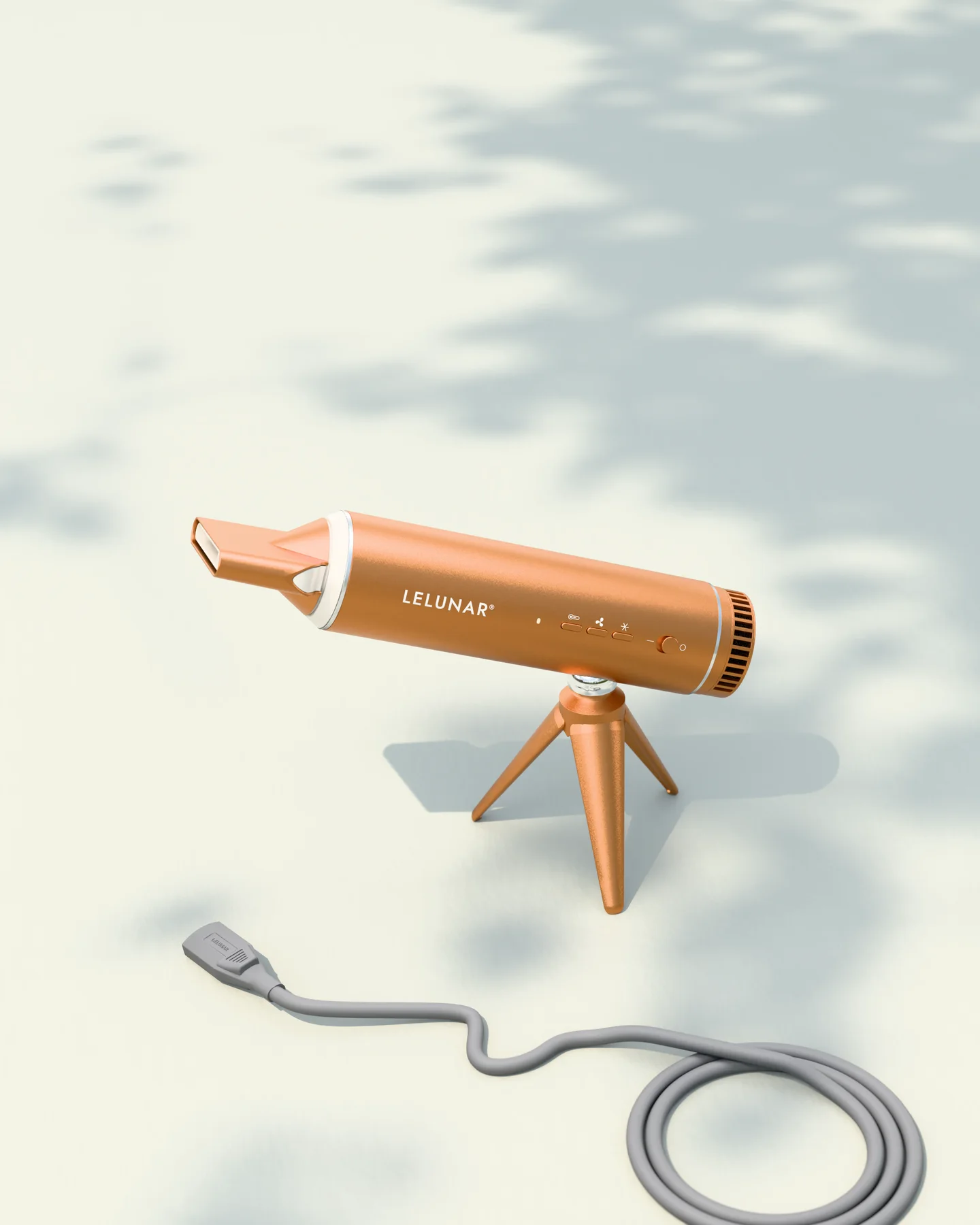
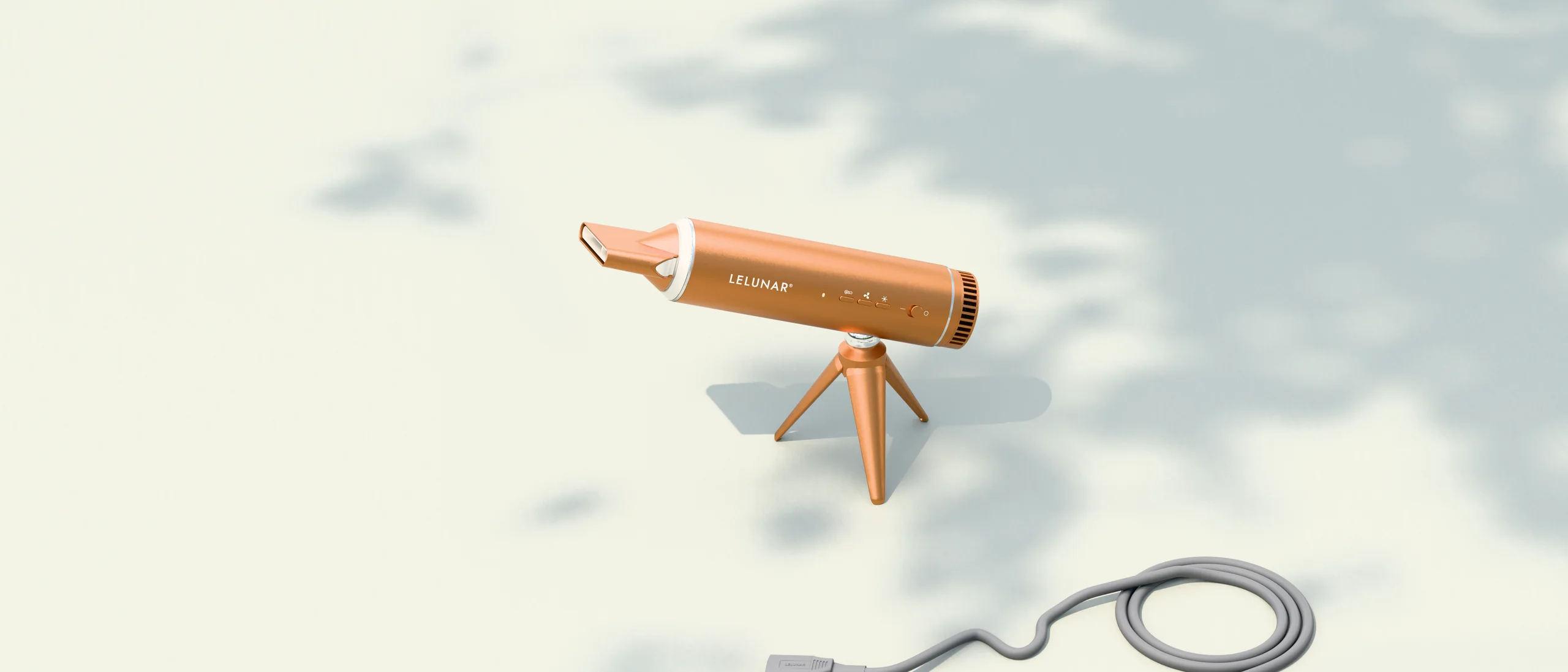
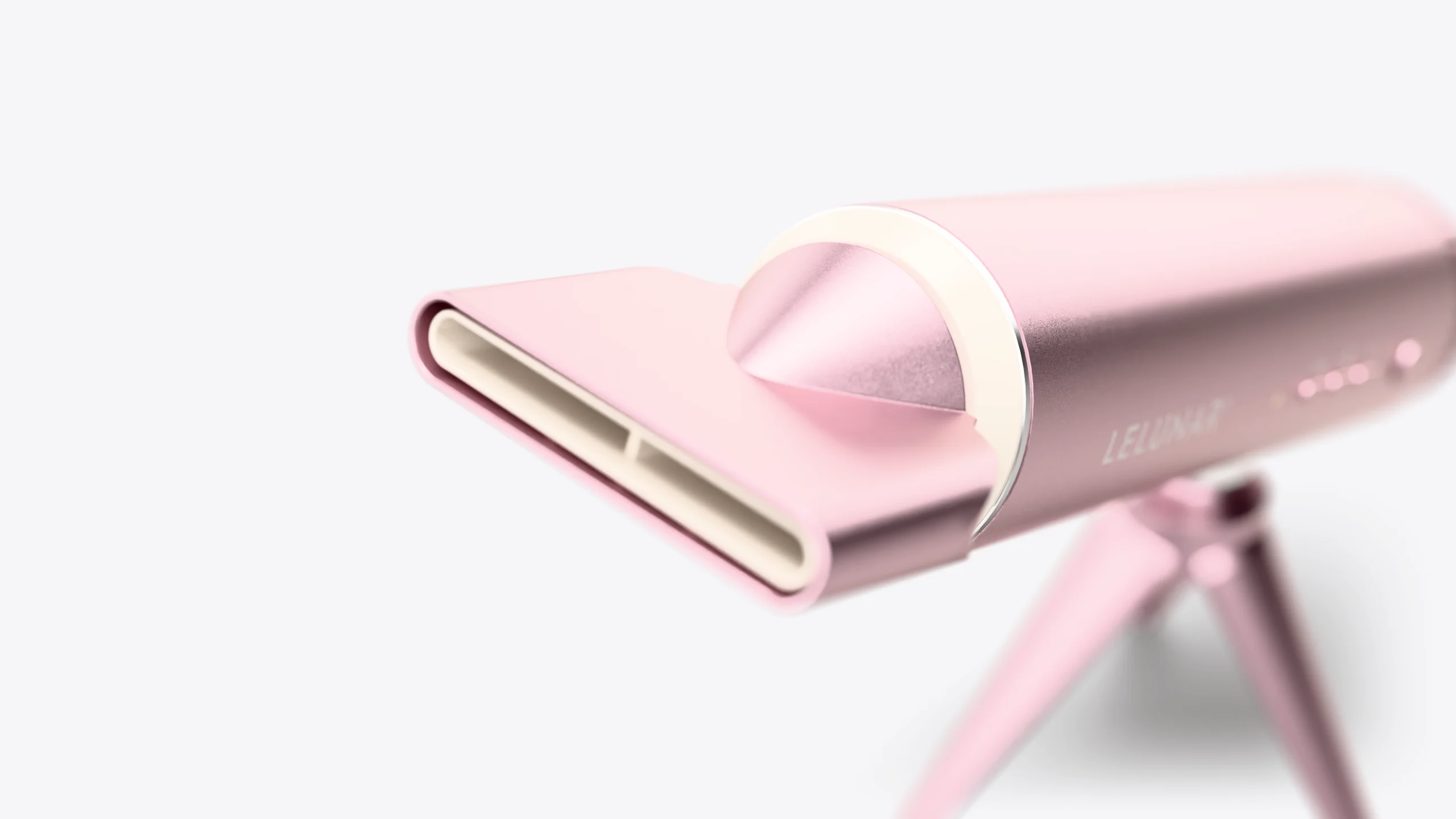
That is exactly the constraint a dryer that stands on its own removes. With the LELUNAR® HandsFreeDryer on its tripod, the finishing step is no longer an arm workout. The dryer stays at the right distance; you move through the airflow with both hands free for the brush or, frankly, for your coffee. The hybrid method goes from "something you know you should do" to "six easy minutes".
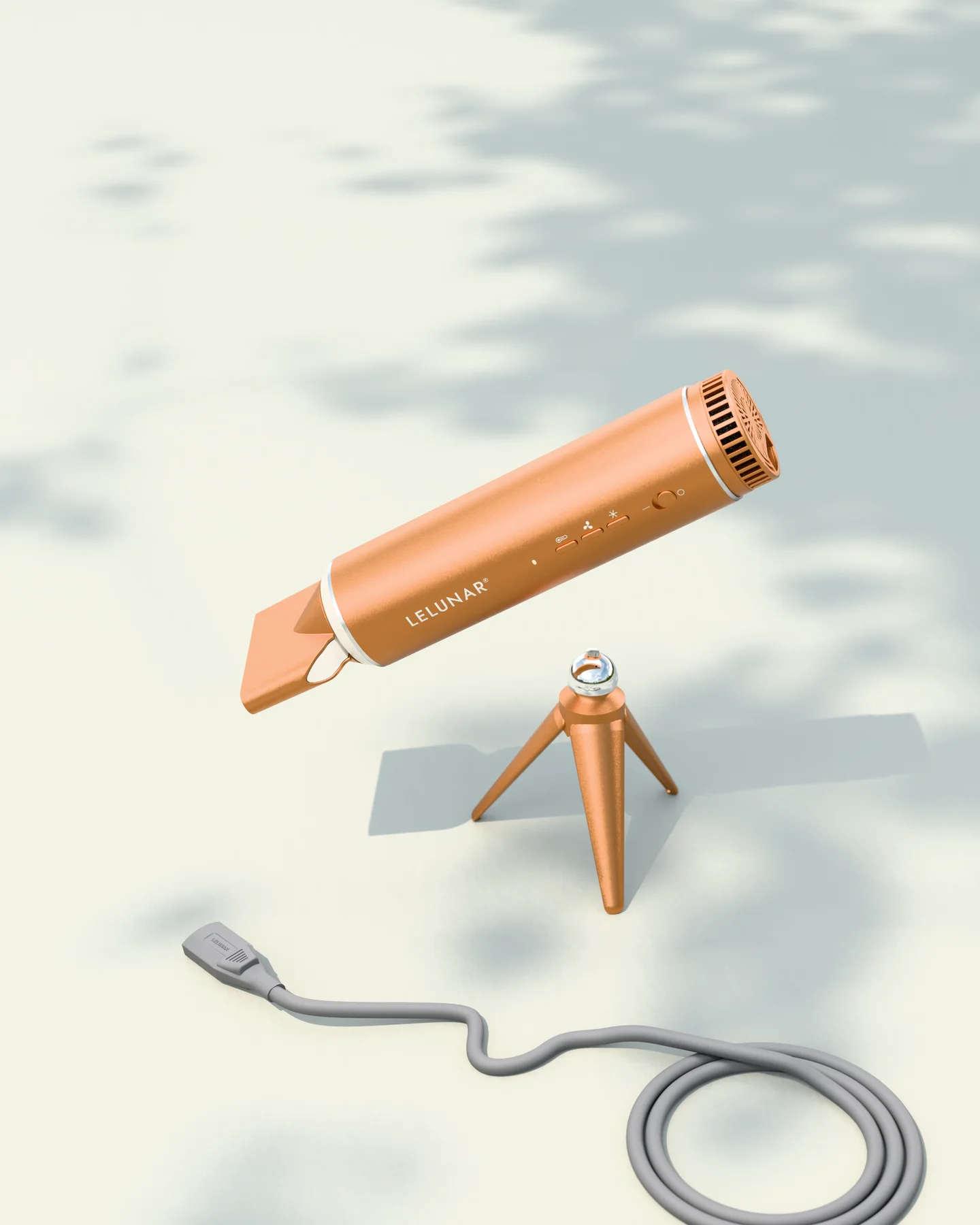
Practical questions, from aiming the ball head to cleaning the rear filter, are answered in the FAQ.
Air-drying is not a sin, and blow-drying is not salvation. Time and temperature are simply two different ways to stress hair, and the winning move is to keep both to a minimum.
Follow @handsfreedryer for the latest.